








MUSCAT, JUNE 16
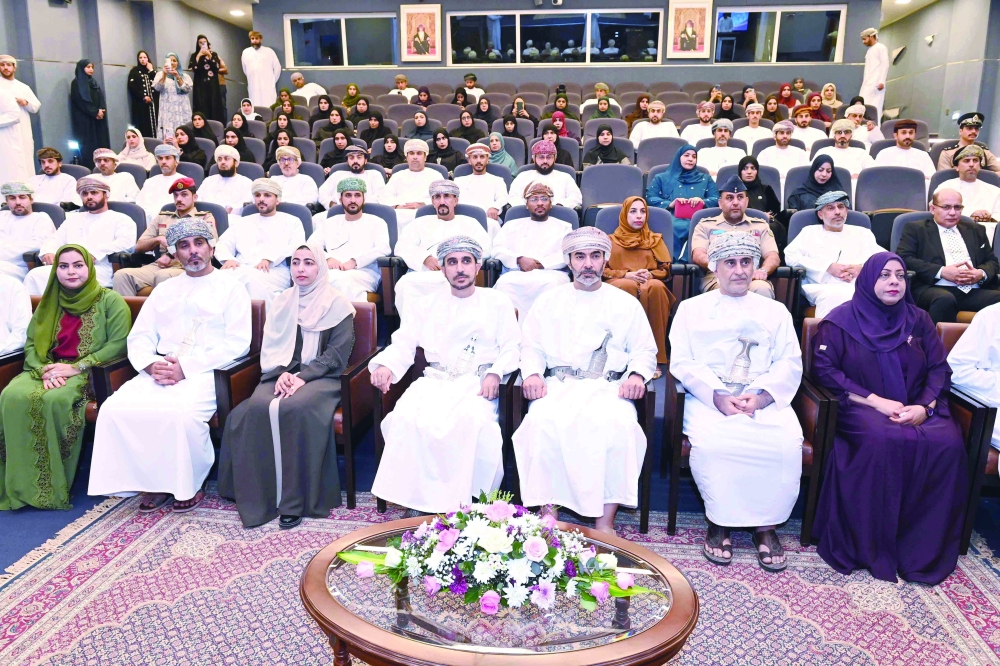
The Ministry of Social Development, in cooperation with the Oman Sociologists Association, on Tuesday held the scientific forum titled 'Digital Citizenship: A Scientific Reading Between Reality and Future Prospects', bringing together academics, researchers and specialists to discuss the growing importance of responsible digital engagement in an increasingly connected world.
Held under the auspices of Dr Badr bin Hamoud al Kharousi, Under-Secretary of the Ministry of Education for Education, the two-day forum seeks to strengthen awareness of digital citizenship, examine emerging challenges and opportunities associated with digital transformation, and highlight the role of institutions in fostering responsible digital behaviour while safeguarding national identity and social values.
The opening scientific session, themed 'The Role of Institutions in Promoting Digital Citizenship', featured a series of presentations addressing policy frameworks, educational approaches and practical initiatives related to digital citizenship.
Hassan bin Fida al Lawati presented an overview of the National Programme for Artificial Intelligence and Advanced Digital Technologies at the Ministry of Transport, Communications and Information Technology. He noted that the programme focuses on the adoption and localisation of artificial intelligence technologies to support economic and developmental sectors while ensuring human-centred governance. The programme comprises 32 key initiatives and projects for the period 2025-2027 and had achieved 41 per cent completion by the end of 2025.
Dr Maimoona bint Hamad al Hinai presented a foresight study examining how national identity is reflected in educational curricula and the factors shaping students’ perceptions of their homeland. She emphasised the complementary roles of families, educational institutions, community initiatives and the media in reinforcing national identity, while calling for the continued development of curricula and the integration of future studies into educational and cultural planning.
Addressing the impact of digital transformation on family structures, Dr Humaid bin Muslim al Saeedi highlighted the continuing role of Gulf and Arab families as the primary institution responsible for nurturing and protecting national identity despite the challenges posed by social media platforms and rapid technological change. He stressed the importance of policies that support families, strengthen the use of the Arabic language and preserve cultural heritage.
Dr Sabra bint Saif al Harrasi examined the influence of digital transformation on the value system of Omani society, drawing attention to emerging intellectual and ethical challenges in digital environments.
She underscored the role of media institutions and national organisations in promoting positive values and called for a national framework for ethical digital education, as well as the establishment of a dedicated national centre concerned with values in the digital sphere.
Meanwhile, Dr Ishaq bin Hilal al Sharyani showcased the application of digital citizenship concepts in supporting cultural and heritage tourism through the Al Aqr model. His presentation highlighted the role of digital technologies in preserving cultural identity, promoting heritage sites and empowering young people to create digital tourism content and document historical narratives through online platforms.
The forum will continue on Wednesday with a second scientific session titled 'Digital Citizenship Practices among Individuals, Families and Society'.
Oman Observer is now on the WhatsApp channel. Click here


